RHSH is governed by people who believe Jesus Christ makes recovery possible — and who have organized their professional expertise around that conviction. Every board member is here because they believe it too.
EIN: 93-4976456
Quarterly meetings · Annual review · Financial oversight
Dual authorization · Treasurer oversight · Cloud accounting
Amanda Robinson didn't come to this work through a textbook. She came through the wilderness of watching her son Garrett disappear — and the long, desperate search to bring him home. Garrett left Colorado on a football scholarship, suffered a sports injury, fell into addiction, and vanished into the shame that keeps so many people silent. Amanda kept looking until she found him.
She holds a Master of Social Work from the University of Denver and spent eight years in behavioral health and human services in Colorado Springs before founding RHSH Colorado. She is a Certified Nonprofit Professional. She understood the clinical system deeply — and discovered, through Garrett's addiction, exactly where it breaks down.
Garrett relapsed twice. Each time, Amanda watched the same pattern: treatment without peer support, sobriety without stable housing, discharge without a mental health connection, recovery without a community. She navigated every resource, every gap, every workaround the system offered.
When Garrett reached two years of sustained recovery, Amanda felt called. The question she could not stop hearing: what about all the other lost sheep?
She took her MSW, her grief, her research, and her faith — and built the organization she wished had existed. Amanda serves without compensation in Year 1. She handles every initial inquiry personally.
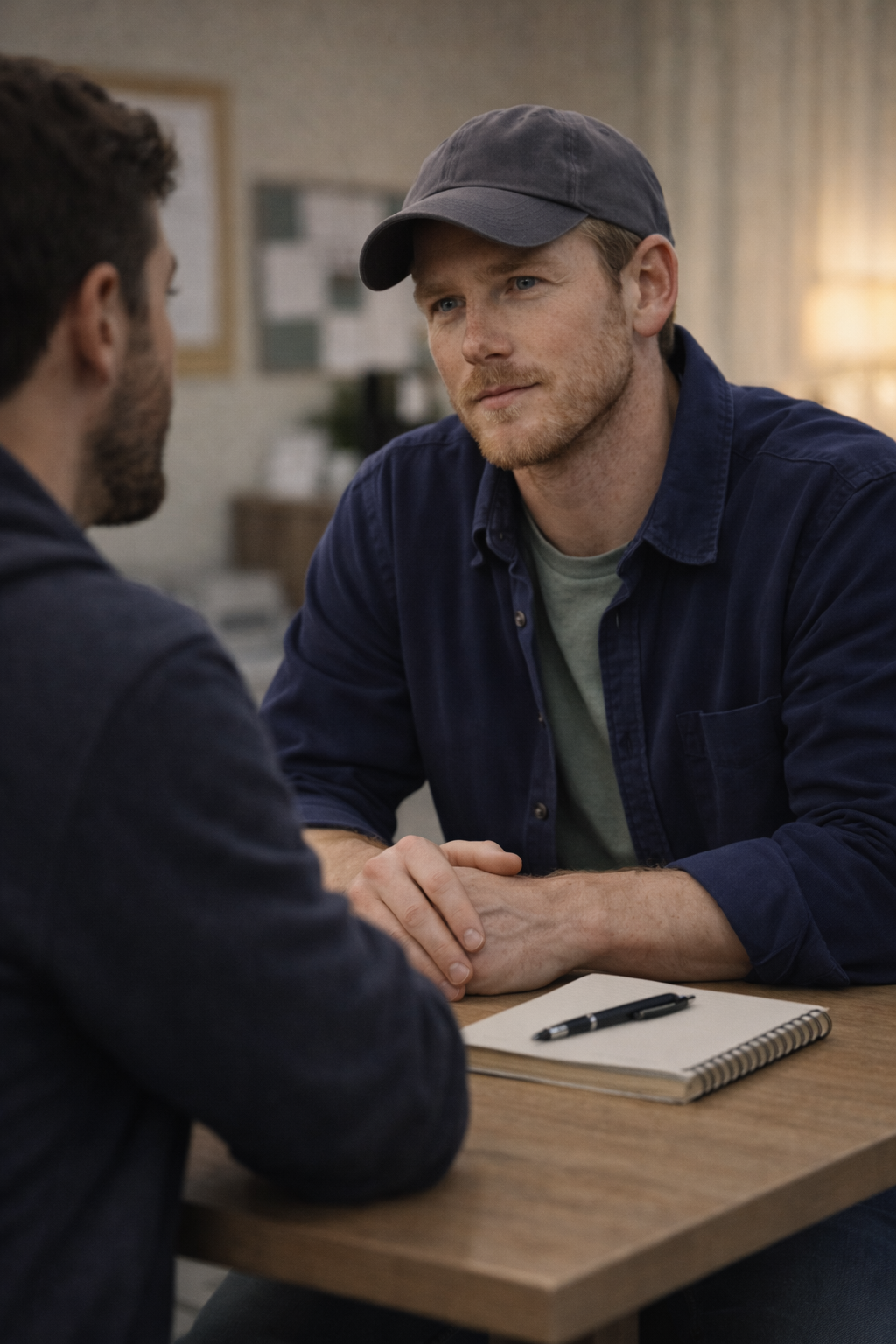
Garrett Robinson left Colorado on a football scholarship at a university on the East Coast. A sports injury led to prescription pain medication. The pills became a dependency before anyone understood what was happening — shame and depression followed, then alcohol, and eventually he disappeared. The stigma of addiction kept him silent. Amanda searched until she found him and brought him home.
What followed was a long road — not just through addiction but through moral injury and separation from Jesus. His turning point wasn't a single moment. It was an accumulation: a peer coach who had been exactly where he was, a stable place to sleep, a counselor who actually called back, a congregation that welcomed him without conditions, and a God who refused to be done with him.
Garrett is now over two years into sustained recovery and serves as RHSH Colorado's Certified Peer Recovery Coach — walking alongside clients at the earliest and hardest stages of recovery. He is the living proof that the model works, and the clearest answer to the question every funder asks: does this organization understand the people it serves?
Every board member brings credentials that unlock a specific recovery lane — and every board member has a personal reason for being here. This is not a board assembled from a list. It is a board built for the work.
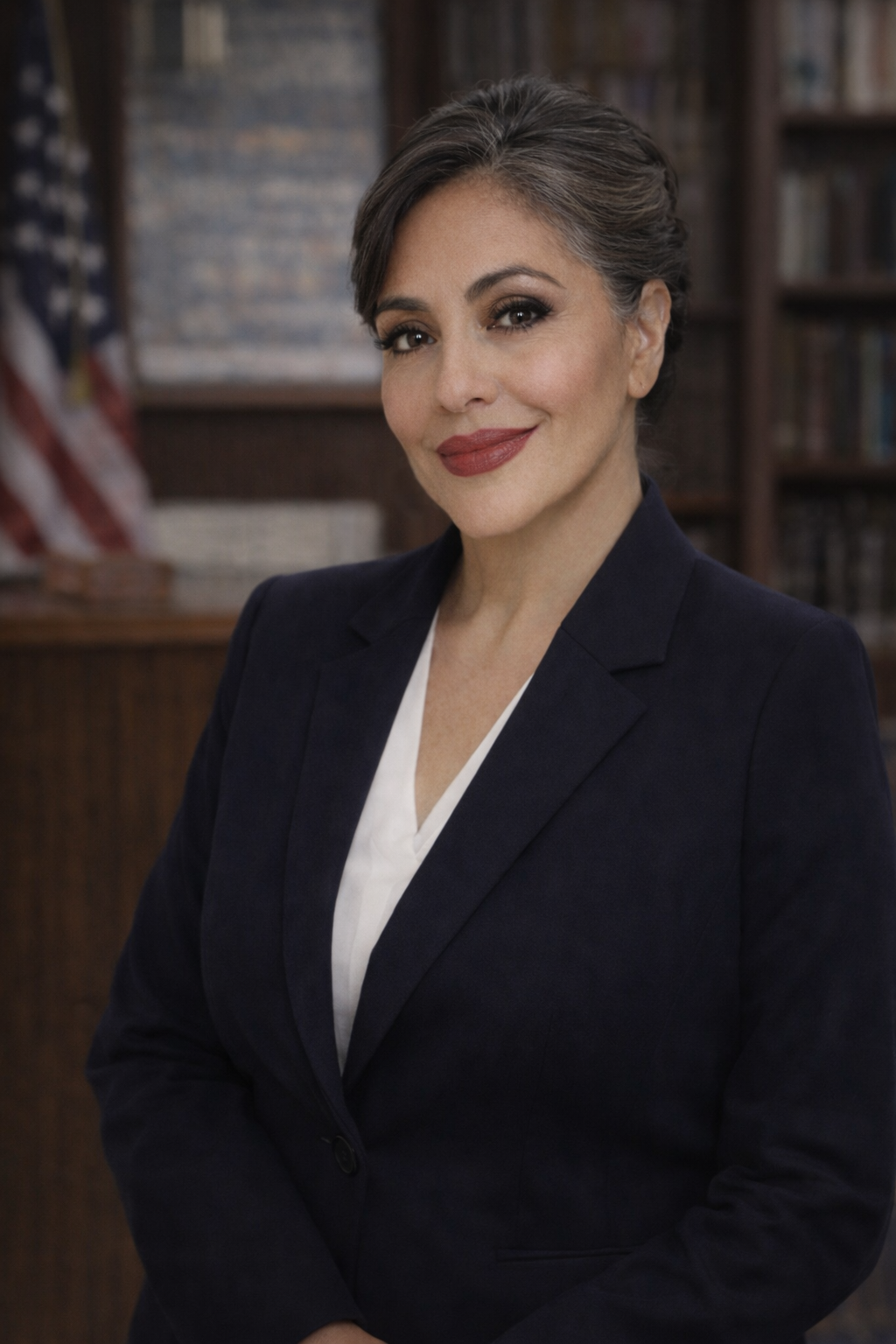
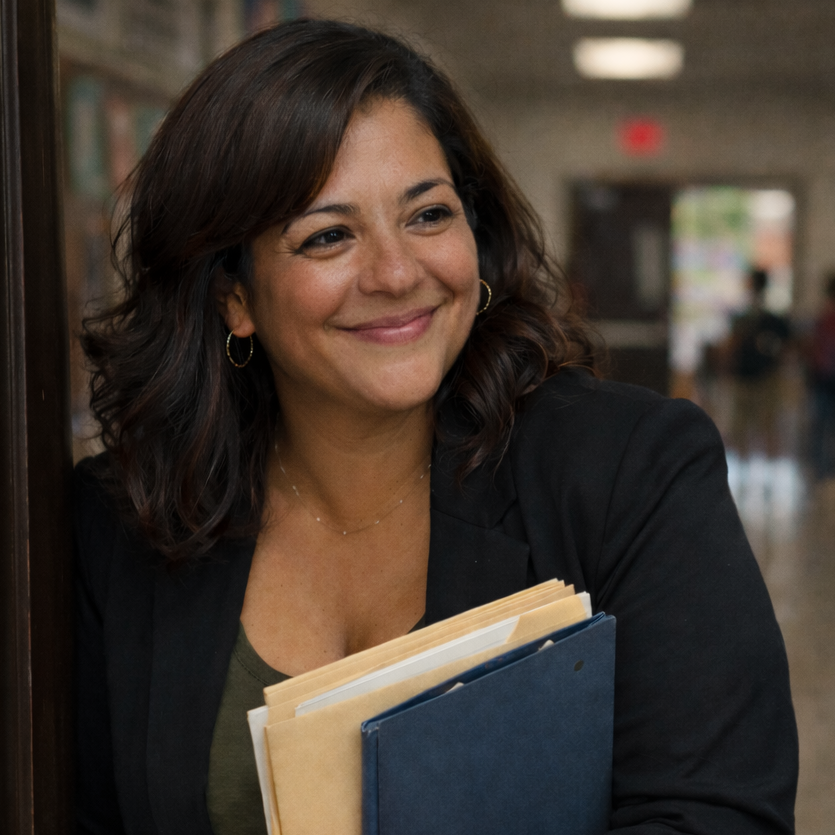
Sandra Chavez spent 25 years in the United States Army — serving in Bosnia and Iraq, earning the Bronze Star, and coming home to Colorado Springs with a conviction she'd carried through every deployment: that the people around you are your responsibility, and you do not leave them behind. She holds a Master of Public Administration from UCCS and chose Colorado Springs not as a posting but as home.
Faith has been the through-line of Sandra's life — the thing that held through combat, that gave her language for what she witnessed, and that brought her back to her community with a clear sense of what she was supposed to do next. She attends New Life Church and believes that the Christian community is not a bystander to the recovery crisis — it is the natural first responder. When Amanda asked her to chair the board, Sandra recognized the same standard she'd held for 25 years: you show up for the people who have nobody else showing up for them.

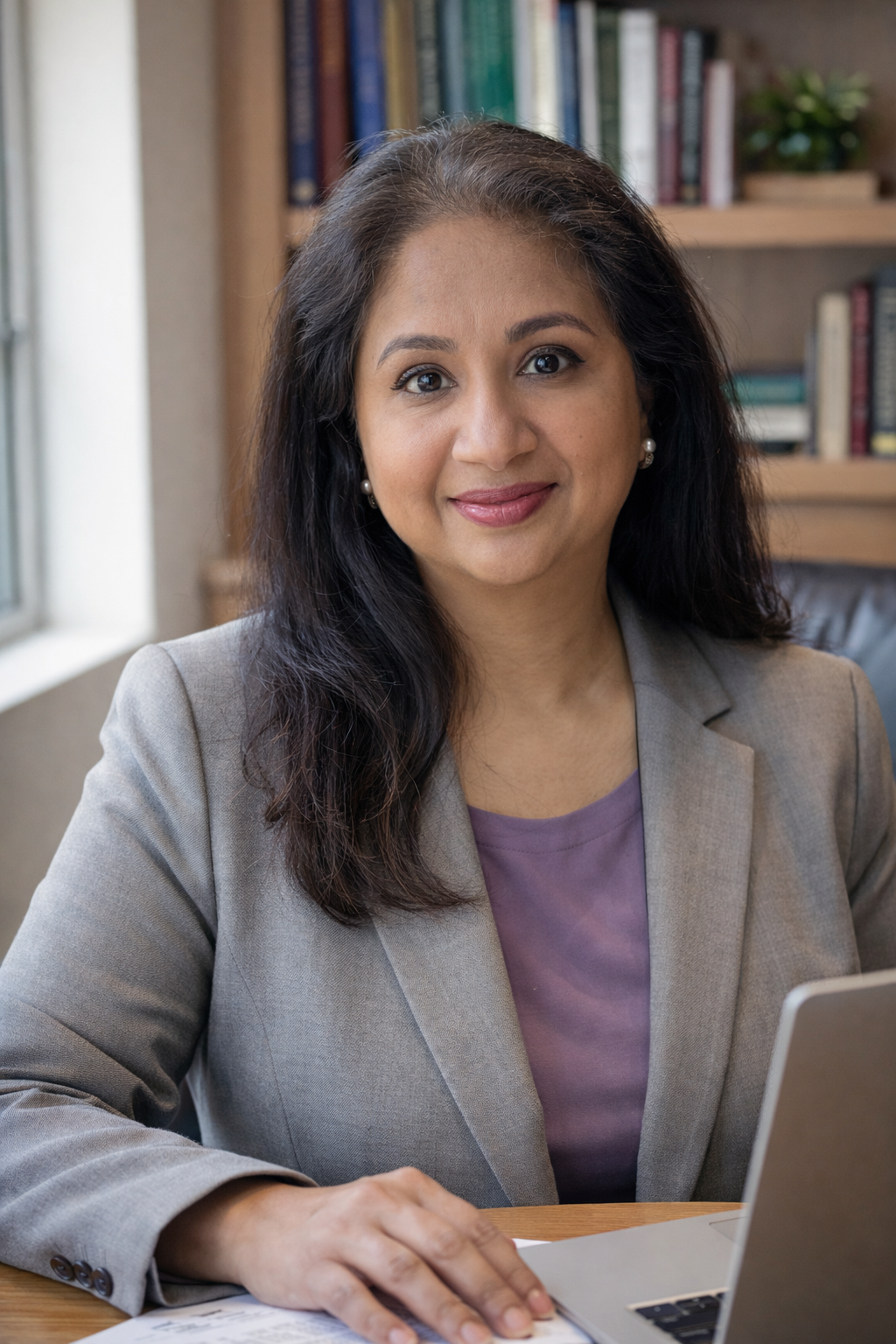
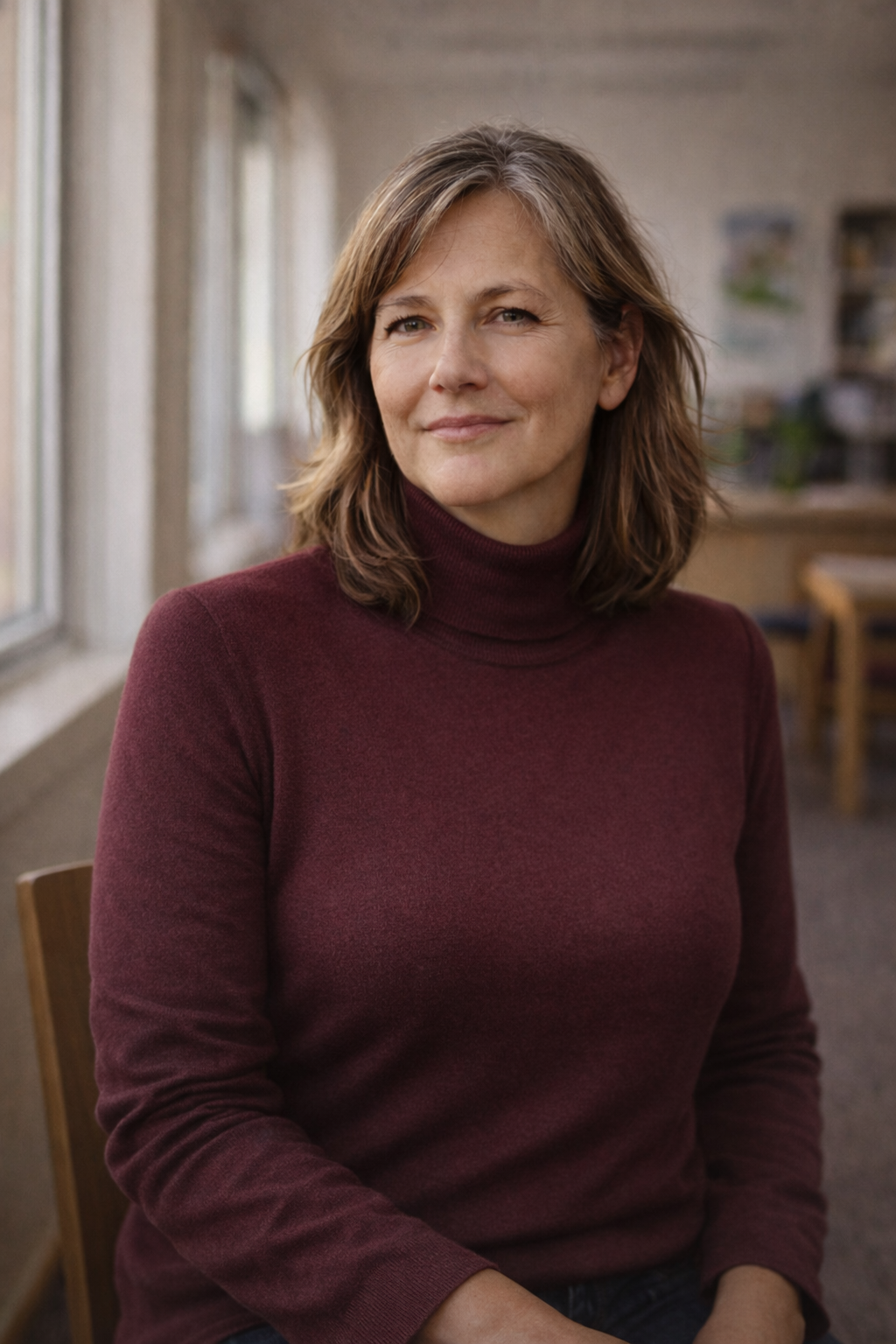
Priya Hariharan is a nonprofit accountant at The Denver Foundation, where she has spent nearly a decade working alongside organizations doing serious community work in Colorado. She holds a B.S. in Accounting and is completing her M.S. in Accounting at CU Denver. She heard Amanda speak at a women's leadership event in Denver and knew immediately that RHSH Colorado was the kind of organization she wanted to be part of — not as a donor, but as someone who could make sure it was built to last.
Priya joined because she has watched good missions collapse under the weight of bad financial infrastructure — and because she believes recovery ministry is too important to let that happen. She manages RHSH Colorado's financial controls, reconciliation, and fund stewardship with the same care she brings to her work at the Foundation. She is based in Littleton and makes the drive to Colorado Springs because the work matters, not because it is convenient.

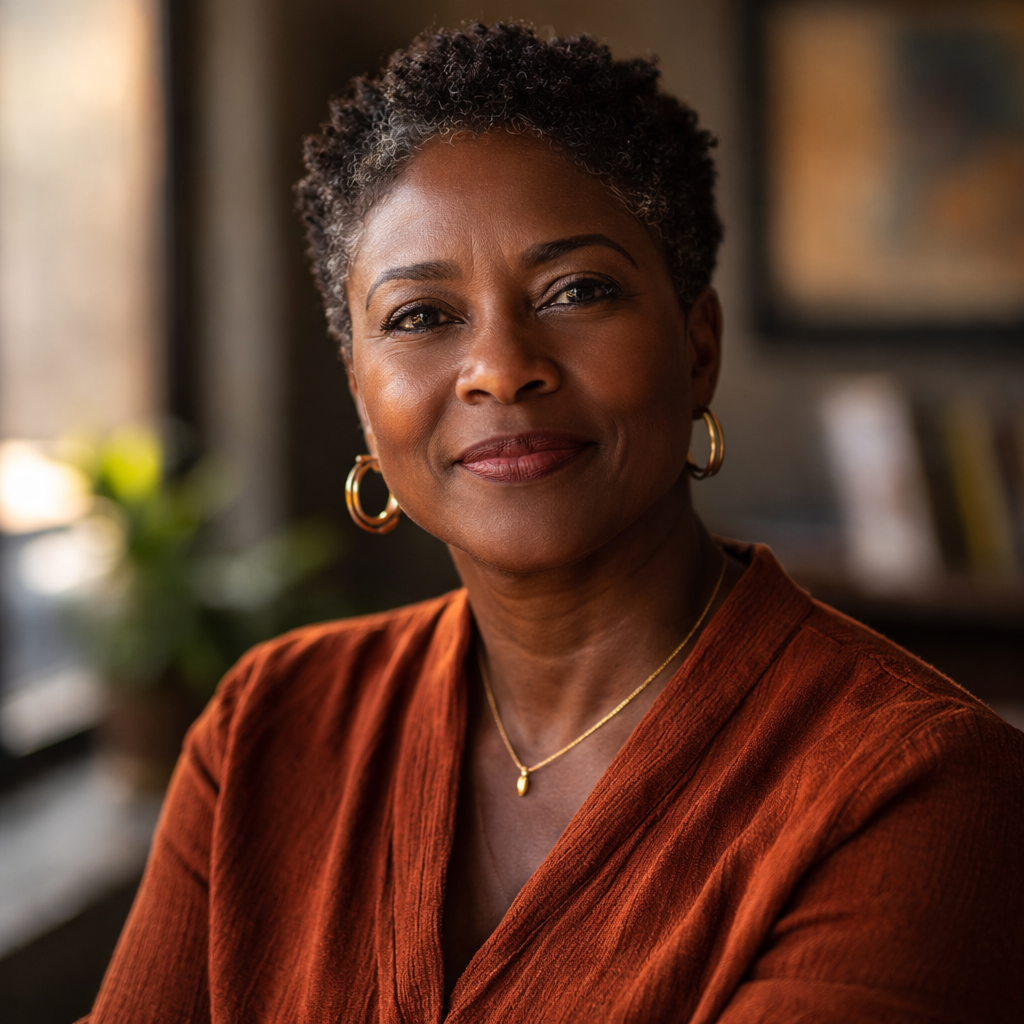
Rev. Tamara Holloway holds an M.Div. from Denver Seminary and has served as an ordained Christian minister and APC-certified chaplain for over a decade. In that time she has sat with people in recovery, in crisis, and in the particular despair that comes when someone believes God has stopped listening. She has watched the church fail people in addiction — and she has watched it redeem them. She joined RHSH Colorado because she believes the church belongs in recovery ministry, not as an afterthought but as a foundation. Faith Foundations — RHSH Colorado's Bible study and discipleship program — exists because of her conviction that healing begins in the soul.

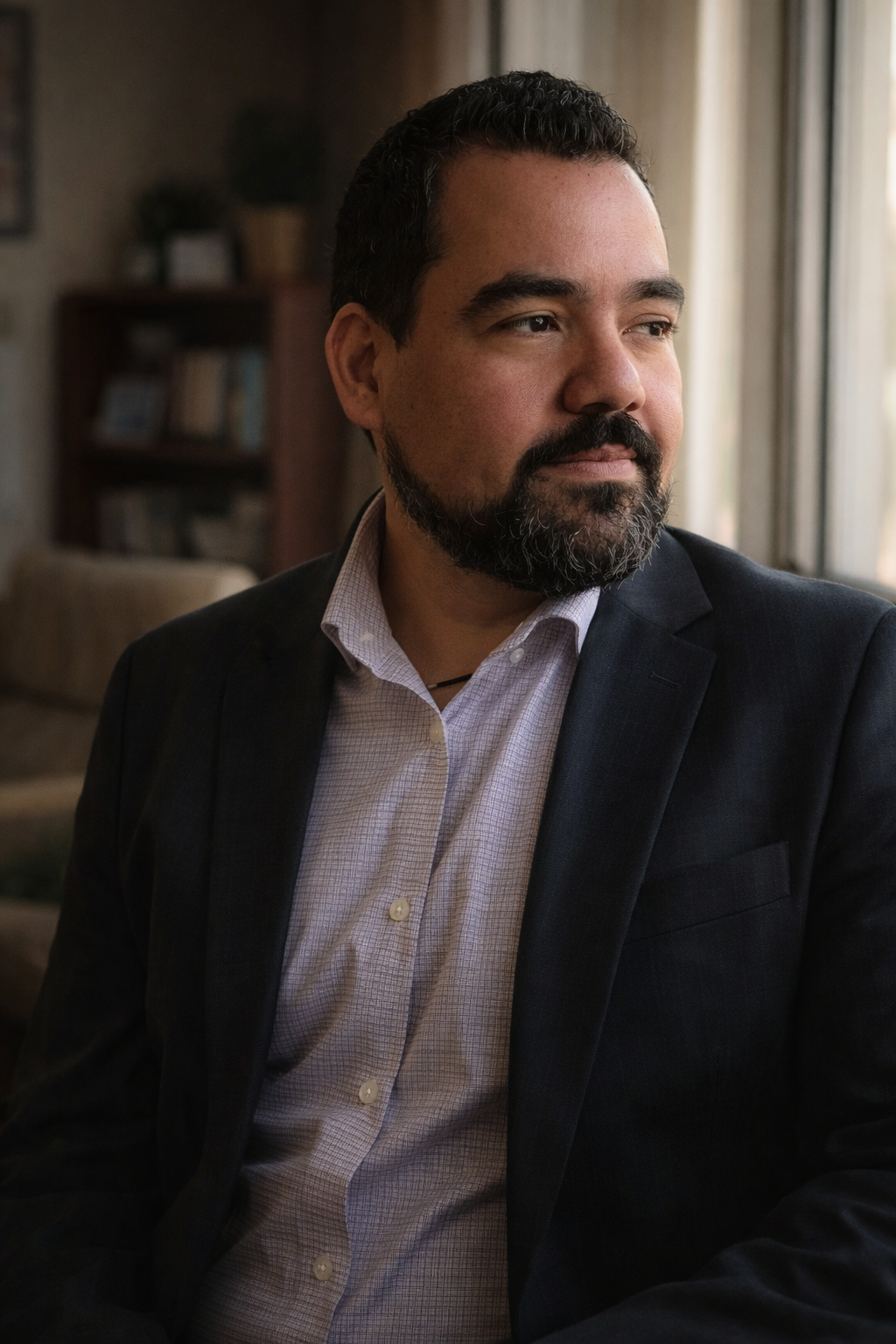
Dr. Alfonso Cappa-Meléndez is a licensed psychologist with more than seventeen years of clinical experience in trauma, PTSD, and child and adolescent mental health — practicing out of Pueblo Pioneer Psychology, forty-five minutes south of Colorado Springs. Named Best Psychologist in Pueblo in both 2022 and 2023. He holds a PsyD from the APA-accredited Ponce School of Medicine and is bilingual in English and Spanish, with deep cultural fluency in the Latino community.
Dr. Cappa-Meléndez joined RHSH Colorado's board because he was tired of referring clients in recovery to organizations that weren't equipped for the complexity of their situations — and because he recognized that RHSH Colorado was being built to a clinical standard he could stand behind. He oversees all mental health linkage protocols and ensures the warm handoff model is clinically sound. No unlicensed clinical services are delivered. That line is one he holds personally.

Sofia Reyes has spent eighteen years working in Colorado Springs as a Certified Community Health Worker and community organizer — the kind of person who knows the names of the people everyone else refers to by case number. She is fully bilingual in English and Spanish and brings deep knowledge of the Latino community in El Paso County, one of Colorado Springs' largest and most underserved populations. She has built her career around a simple conviction: that communities heal from the inside, and that organizations serving them need to be rooted in the same soil they are trying to restore. She joined RHSH because she has spent nearly two decades watching people in recovery fall through gaps that a well-built organization could close — and because she believes RHSH is finally that organization.

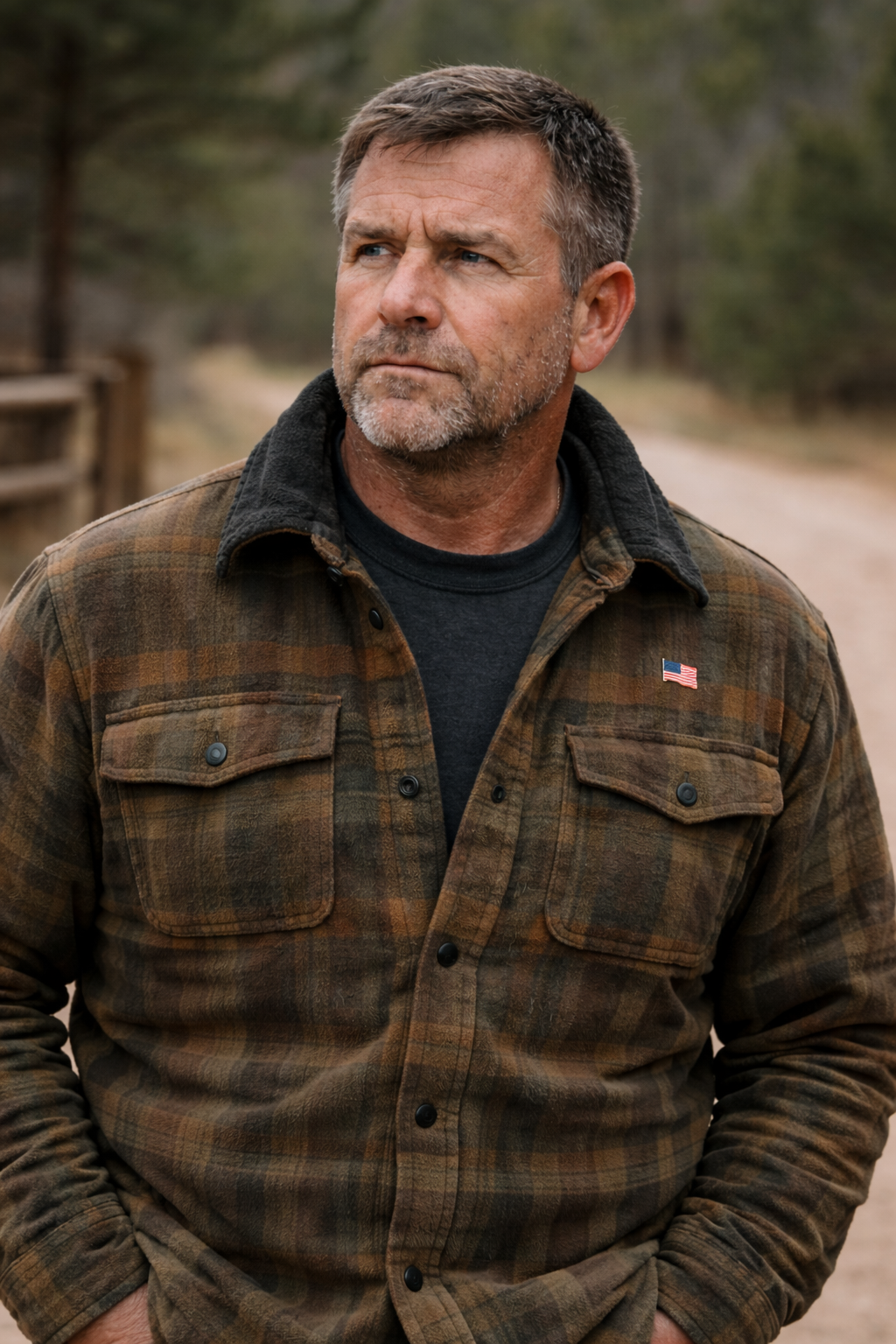
Marcus served in the United States Air Force, stationed at Peterson Space Force Base — which is how he came to call Colorado Springs home. When he separated from service, he encountered the housing gap firsthand: the narrow window between discharge and stability that swallows veterans before the system can catch them. It didn't take him. But he watched it take others, and that experience drove every career decision that followed.
He holds a B.S. from CSU-Pueblo and has spent eleven years as a housing navigator in El Paso County — working the referral networks, the transitional housing partnerships, and the unglamorous middle ground between someone losing their housing and someone keeping it. He joined RHSH Colorado because recovery without stable housing is a clock running down, and he has spent his entire career refusing to watch that clock expire on people who could have been caught.

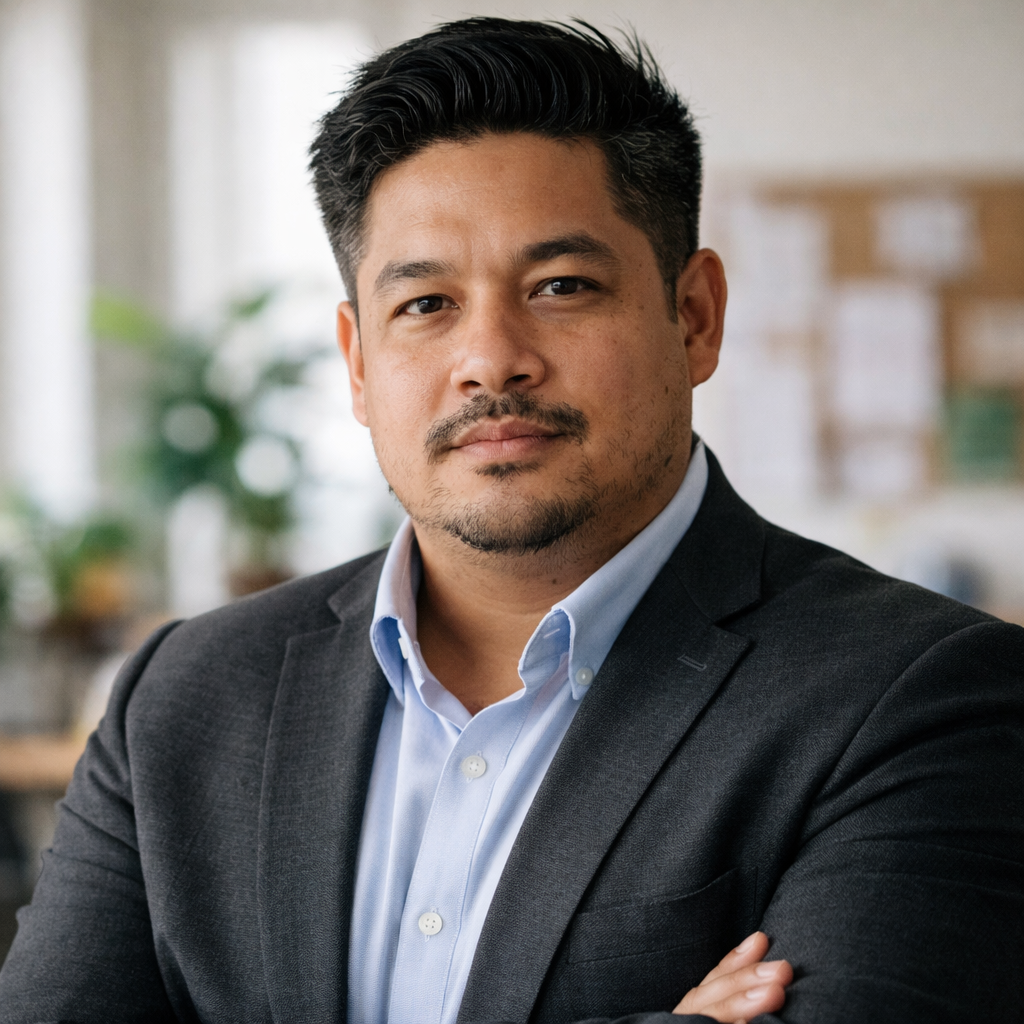
James Nguyen holds an MBA from UCCS and has spent fourteen years working in corporate community affairs — on the side of the table that decides where companies invest in the communities they operate in. He has seen what good organizations look like from that vantage point, and he has watched resources go to organizations that didn't deserve them while organizations that did went unfunded. He joined RHSH because he wanted to use what he knows to close that gap. Recovery ministry that is well-run and mission-clear is exactly the kind of work that deserves the resources it has not always received.
Most nonprofit boards are assembled from professional networks. This one was assembled from conviction. Every person sitting on this board has a personal reason for being here — a veteran they love, a community they have served for decades, a patient they couldn't get the right help for — that made saying yes feel less like a choice and more like a calling.
That is not a perfect board. It is an honest one. Together they are the organizational expression of what RHSH believes: that whole-person recovery requires whole-organization commitment.
RHSH Colorado is committed to the governance practices that major donors and grant partners expect. Below is a plain-language overview of our structure and controls.
| Board meetings | Quarterly — with special sessions as needed. Minutes recorded and retained. |
| Executive Director | Non-voting. Amanda Robinson serves without compensation in Year 1. ED compensation phased in beginning Year 2. |
| Financial oversight | Board Treasurer reviews monthly statements. All expenditures above threshold require dual authorization (ED + Treasurer). |
| Accounting | Cloud-based accounting software. Monthly reconciliation. Financial statements available to funders on request. |
| Conflict of interest | All board members sign annual conflict of interest disclosures. No voting board member receives compensation from RHSH Colorado. |
| Restricted funds | Tracked separately from general operating funds. Scope confirmed before acceptance. Closeout summary provided at period end. |
| Funder reporting | Quarterly output reports. Semi-annual outcome reports. Annual impact summary. All delivered on schedule. |
| Documents available | IRS determination letter · Board list · Financial statements · Conflict of interest policy · Logic model · Outcomes framework |
| Grant applications | Amanda Robinson, MSW (Executive Director) submits all grant applications and serves as primary funder contact. Lt. Col. Sandra Chavez (Board Chair) serves as alternate contact for governance inquiries. |
| Site visits | Welcome — contact Amanda directly to arrange a program officer visit or partner introduction. |
Every person on this board believes Jesus Christ makes recovery possible. Not as a tagline — as a conviction that shapes how they lead, what they fund, and who they show up for. This board is the organizational expression of that faith made visible in professional expertise and community commitment.